Who leads the conversation
Narratives
- Government
- 35%
- Left / opposition
- 25%
- The street
- 40%
Start free with El Resumen Esencial or go Premium for the full analysis. Newsletters are in Spanish.
Start free with El Resumen Esencial or go Premium for the full analysis. Newsletters are in Spanish.
Real pulse on X
The voices and keywords are in Spanish, as they appear in the sources.
Data gathered from public conversations and estimated by AI. Source: the story's context (no usable data from X).
El Cronista4 min read
AI estimate · 80% confidence
Main framing
Center 60%
Center · estimated by AI · 80% confidence
The estimate comes from analyzing the story's text: which sources it quotes, which facts it highlights and what language it uses.
An AI model reads the story and estimates how much of its framing leans left, center or toward a libertarian view. The three percentages add up to 100.
This is an AI-generated estimate, not an objective judgment.
Generated on · 1 min read
AI summaries may contain errors.
The innovation and technology behind the ferry are emphasized, showcasing the use of Argentine transformers and presenting a positive approach to local development. The significant investment suggests both economic and environmental boosts, without a clear political bias.
AI summary
The world's largest electric ferry, the China Zorrilla, has arrived in Buenos Aires, connecting the port with Colonia del Sacramento. Built by the Australian shipyard Incat, the vessel has a capacity for 2100 passengers and 225 vehicles, and utilizes an innovative fast-charging system powered by Argentine transformers.
This project, representing an investment of between 170 and 200 million dollars, aims to reduce emissions and increase passenger traffic on the route between the two countries.
Generated by AI from the original story in Spanish.
El ferry eléctrico más grande del mundo: cómo funcionan las baterías y propulsión del China Zorrilla
Los transformadores 100% argentinos que dan energía al Buquebus
Buquebus eléctrico China Zorrilla: capacidad, flota y negocio
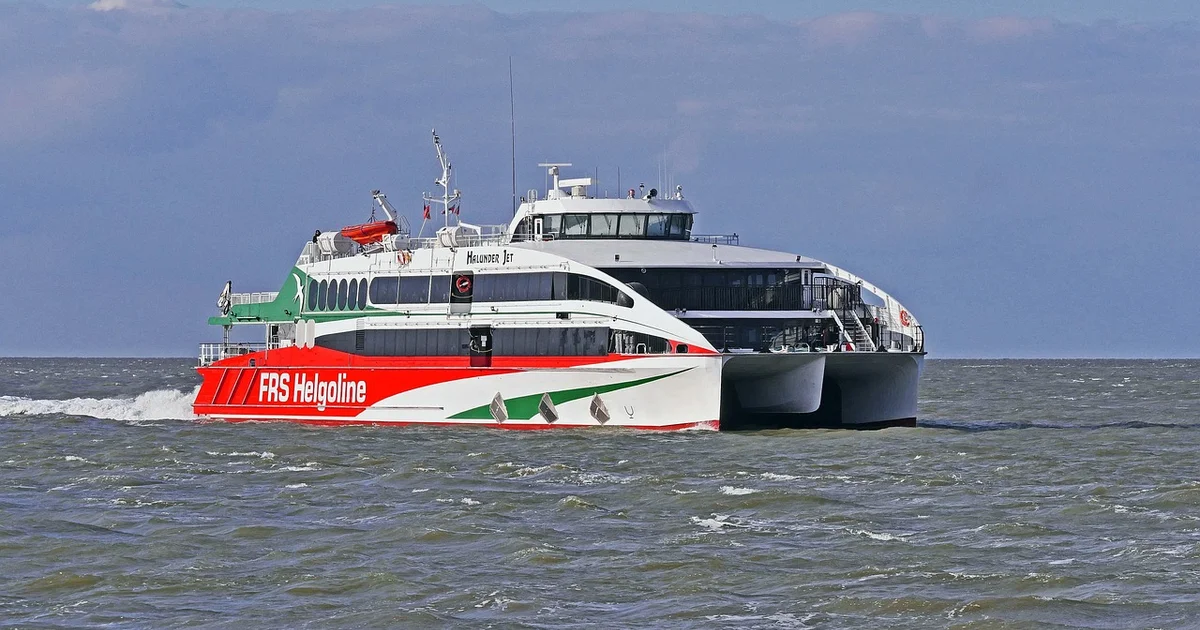
El China Zorrilla, el ferry de Buquebus construido por el astillero australiano Incat, es el ferry eléctrico más grande del mundo y también el vehículo eléctrico a batería más grande del planeta.
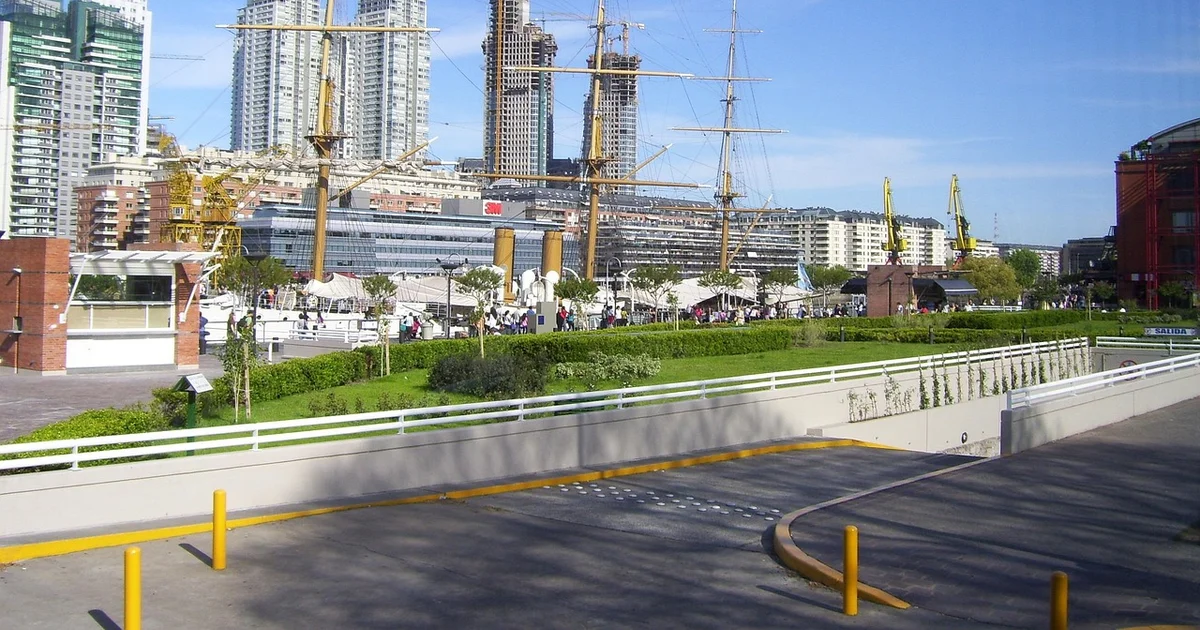
Según indicó la empresa unirá Puerto Madero con Colonia del Sacramento, un recorrido de unos 60 kilómetros que demandará aproximadamente 90 minutos, con frecuencia diaria. En cada puerto estará 80 minutos, lo que demora el desembarco y el nuevo embarque de pasajeros y autos, para reponer la energía.
El buque lleva un banco de baterías de entre 40 y 43 MWh de capacidad y un peso aproximado de 275 toneladas, el mayor paquete de baterías instalado en una embarcación. Esa energía alimenta ocho motores eléctricos que suman 19,2 MW, conectados a sistemas de propulsión por chorro de agua. Durante la navegación no se utiliza combustible fósil.
Original excerpt in Spanish. The content belongs to El Cronista.
Technology · La Nación