Who leads the conversation
Narratives
- Government
- 20%
- Left / opposition
- 50%
- The street
- 30%
Start free with El Resumen Esencial or go Premium for the full analysis, in English, Spanish or Portuguese.
Start free with El Resumen Esencial or go Premium for the full analysis, in English, Spanish or Portuguese.
Start free with El Resumen Esencial or go Premium for the full analysis, in English, Spanish or Portuguese.
Real pulse on X
The voices and keywords are in Spanish, as they appear in the sources.
Data gathered from public conversations and estimated by AI. Source: the story's context (no usable data from X).
iProfesional5 min read
AI estimate · 85% confidence
Main framing
Left 50%
Mixed · estimated by AI · 85% confidence
The estimate comes from analyzing the story's text: which sources it quotes, which facts it highlights and what language it uses.
An AI model reads the story and estimates how much of its framing leans left, center or toward a libertarian view. The three percentages add up to 100.
This is an AI-generated estimate, not an objective judgment.
Generated on · 1 min read
AI summaries may contain errors.
The text mentions both concerns regarding Lula's electoral outcome and the need to consider the negative impact on the competitiveness of the Argentine industry. The information is balanced but showcases uncertainty about economic effects, highlighting different perspectives on trade and political relations.
AI summary
Luiz Inácio Lula da Silva's victory has raised concerns in the Argentine automotive industry due to the depreciation of the real and its impact on the Brazilian economy. Experts warn that slow growth in Brazil could reduce demand for Argentine cars, affecting the sector's competitiveness.
Additionally, political differences between Milei and Lula complicate the possibility of new trade agreements benefiting both nations.
Generated by AI from the original story in Spanish.
El triunfo de Luiz Inacio Lula da Silva en la segunda vuelta electoral, tras vencer a Flávio Bolsonaro, hizo temblar a gran parte de los indicadores económicos en ese país, con repercusiones que se sintieron en toda la región.
En las primeras horas del lunes, el real registró su mayor desplome frente al dólar en más de tres décadas, con una pérdida de 8,8%, y la bolsa cayó a los peores números de la historia reciente del país, con bajas que llegaron al 14,7%. Esos son solo algunos indicios de la reacción negativa de los inversores, que esperaban el triunfo del ultraderechista.
Los resultados electorales también se sienten en la Argentina, y la industria automotriz es una de las que analiza qué pasará con el principal socio comercial. Recordemos que la relación de Lula con el presidente argentino, Javier Milei, no es de las mejores.
iProfesional consultó a las terminales y a expertos en la materia para analizar cómo impactará en el sector el triunfo de Lula en el país vecino. Para los consultados, el foco está puesto en qué pasará con la economía brasilera, su crecimiento a un ritmo más lento, la caída del PBI y cómo esto terminará afectando la demanda de autos fabricados en la Argentina.
Cómo puede impactar en el sector automotriz el triunfo de Lula en Brasil
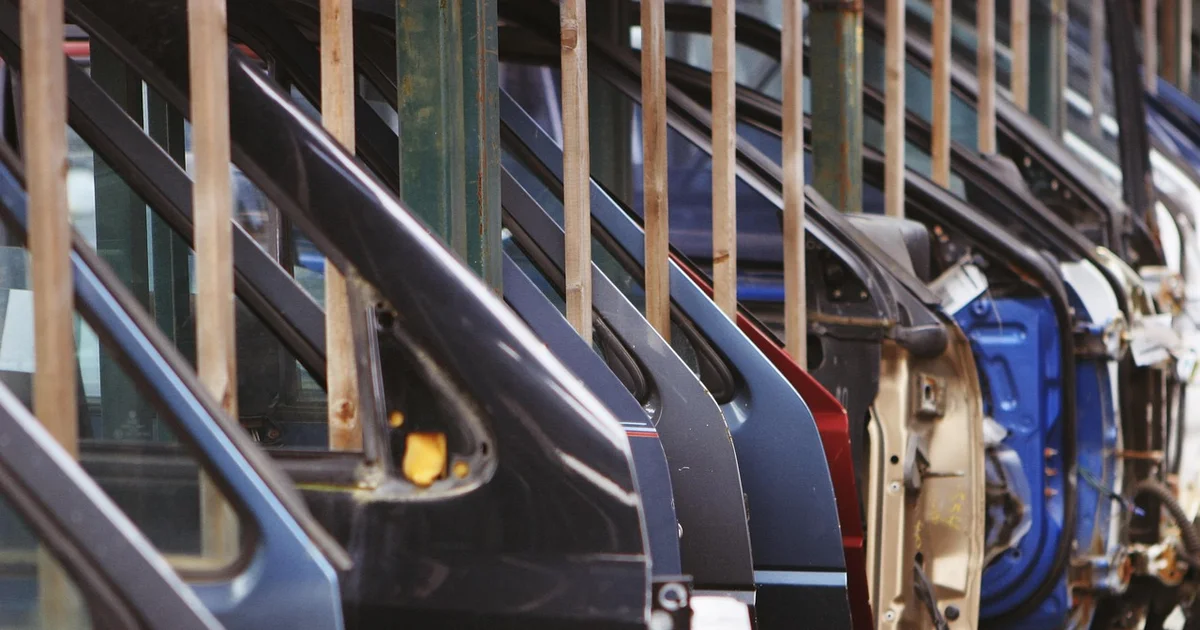
A pocas horas del triunfo de Lula, una de las grandes preocupaciones para el sector automotor argentino es qué pasará con la economía brasilera. La evolución de las principales variables macroeconómicas del país vecino podrían golpear a la industria argentina, ya que dos de cada tres vehículos fabricados en Argentina se exportan a ese país.
Original excerpt in Spanish. The content belongs to iProfesional.

Economy · iProfesional
Investments · Ámbito